Technology and Application of Special Backwash Filter Elements for Ships
Today I’d like to talk about a widely applied yet relatively unfamiliar component in the marine industry: backwash filter elements. These are devices designed to remove contaminants from fluid media. Their distinctive feature lies in their ability to clear trapped pollutants on filter media via reverse fluid flow, enabling repeated reuse—eliminating the frequent replacement required by conventional filter elements.
1. Basic Working Principle of Backwash Filter Elements
To fully grasp their value, we first need to understand how they operate. Onboard vessels, various systems such as fuel, lube oil and cooling water circuits demand clean fluid (oil, water, etc.) to guarantee stable operation of critical equipment including engines, pumps and valves.
A standard filter element works like a dense mesh: fluid passes through while impurities are trapped on the surface. Over time, blockages restrict fluid flow, forcing crews to remove and discard the entire element for a new replacement. This not only generates recurring procurement costs, but also increases maintenance workloads and waste disposal burdens.
By contrast, backwash filter elements adopt a more sophisticated design. Once the system detects that the pressure differential across the filter rises to a preset threshold (indicating partial clogging), an automatically or manually controlled valve switches the fluid flow direction. A small volume of clean fluid (or medium delivered through an independent dedicated pipeline) flows backward from the filter outlet. The impact of this reverse flow dislodges contaminants adhering to the inner surface of the filter media, which are then discharged out of the system through the drain pipeline. Upon completing this self-cleaning cycle, the valve reverts to normal filtration mode, and the filter regains most of its filtration capacity for continuous service.
2. Core Research Focuses & Technical Characteristics of This Technology
China boasts a thriving shipping sector, creating high industry demand for advanced marine supporting equipment. Domestic R&D and manufacturing institutions mainly concentrate on three key aspects of backwash filter technology:
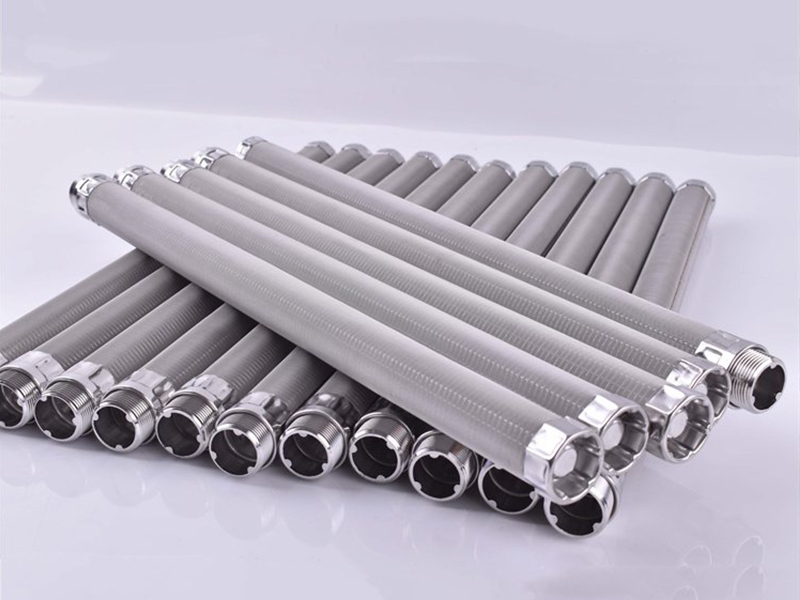
First, medium compatibility of filter materials. The upper reaches of the Yangtze River feature complex water conditions distinct from marine environments, while ship fuel and lubricants also carry region-specific properties. Filter media such as sintered special metal fiber felts and high-precision woven screens must deliver outstanding corrosion resistance, mechanical strength and stable filtration accuracy to adapt to local operating conditions.
Second, structural reliability. Vessels endure constant sway and vibration during navigation. The mechanical structures of backwash filters and their matching valve assemblies must be robust enough to maintain reliable sealing and precise actuation under vibrational loads, preventing fluid leakage or accidental misoperation.
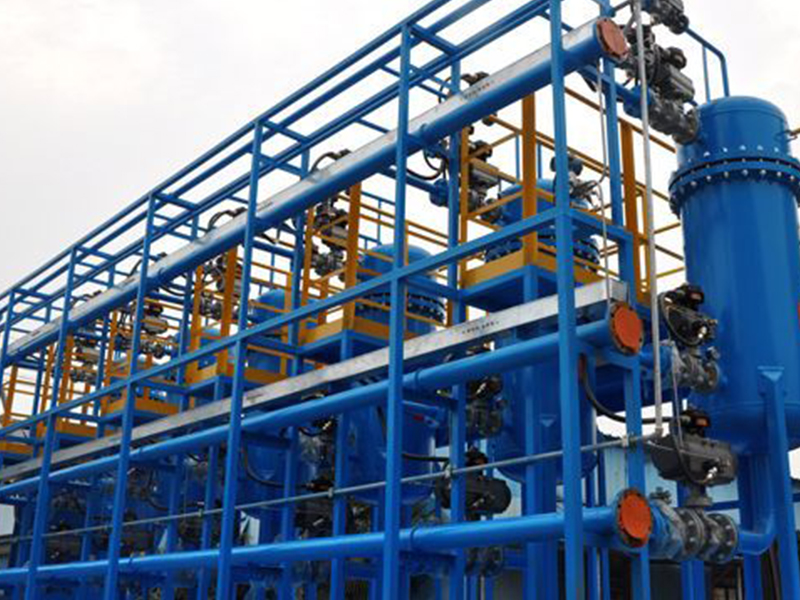
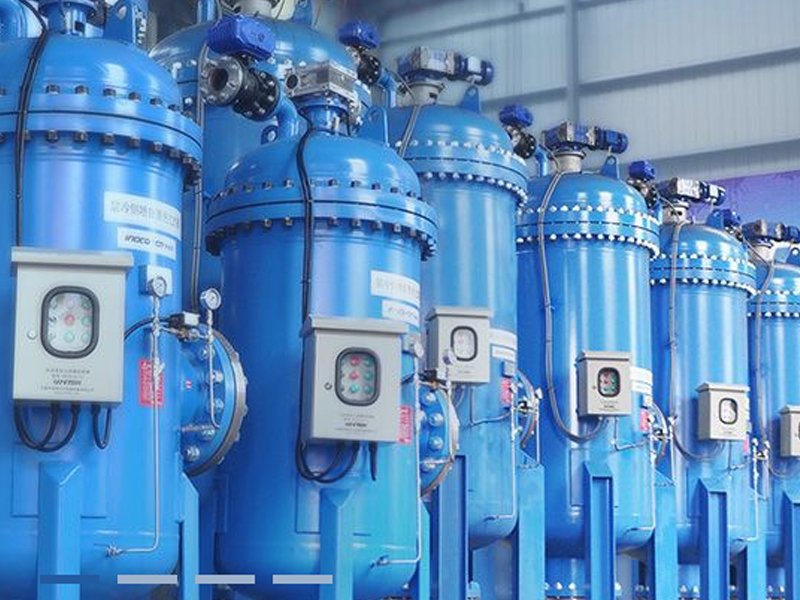
Third, automation and system integration. Automatic backwash control units represent a major development trend to ease operational burdens for seafarers. High-precision differential pressure sensors and logic controllers enable fully automatic clogging judgment and cleaning execution. Multiple technical solutions developed in Chongqing focus on compact integration of filter elements, valve groups, sensors and control modules, forming miniaturized intelligent filter units that simplify installation and servicing within confined engine room spaces.
3. Specific Application Scenarios of Backwash Filter Elements Onboard Ships
Far from being optional accessories, backwash filter elements act as dedicated contaminant cleaners for multiple critical marine systems:
Fuel Systems (Critical Application)
Fuel accumulates water, particulate impurities and microorganisms during storage and transportation. Unfiltered contaminants cause severe abrasion to fuel pumps and injectors, resulting in reduced engine power, higher fuel consumption or even unplanned shutdowns. Fitted backwash filter elements deliver fine fuel filtration with regular automatic backwashing and draining, sustaining long-term fuel cleanliness and steady performance of main and auxiliary engines.
Lubricating Oil Systems
Recirculating lube oil for engines, gearboxes and other machinery gradually accumulates metal wear debris, carbon deposits and other pollutants. Clean lubricant is fundamental to extending equipment service life. Backwash filters continuously remove contaminants online, preserve oil quality, reduce mechanical wear triggered by contaminated oil, and extend service intervals for both lubricants and core machinery.
Cooling Water Systems (Central Coolers & Jacket Water Circuits)
Backwash filters installed in cooling circuits filter suspended solids and aquatic organisms from river water, seawater or fresh water. They prevent blockages in heat exchanger pipelines, secure stable heat exchange efficiency and avoid equipment overheating failures.
4. Comprehensive Advantages of Adopting Backwash Filter Elements
As demonstrated in the above applications, backwash filters deliver multi-faceted operational benefits:
- Improved Economic Efficiency Although their upfront purchase cost exceeds standard disposable filters, their reusable design drastically cuts long-term expenditure on filter replacements. Fewer element changeovers reduce vessel downtime and boost operational efficiency. Lower volumes of discarded filter waste also ease environmental pollution and waste treatment expenses.
- Streamlined Maintenance & Management Automatic backwashing reduces frequent manual filter replacement labor for crews and lowers technical skill requirements for onboard staff. For highly automated vessels, the filters seamlessly integrate with ship management systems to support remote condition monitoring and early fault alerts.
- Enhanced Equipment Protection Consistent, stable filtration provides a cleaner operating environment for prime movers and auxiliary systems, minimizing unplanned breakdowns and extending the service life of key marine equipment in the long run.
5. Key Guidelines for Daily Maintenance & Product Selection
Despite superior durability, backwash filters do not require zero maintenance. During routine inspections:
- Regularly verify normal operating pressure of control air/hydraulic circuits and flexible, full stroke movement of backwash valves;
- Ensure drain pipelines remain unobstructed.
Even after repeated backwashing, filtration performance of filter elements gradually degrades over service time. Crews shall routinely inspect filter status based on differential pressure readings and equipment running hours, and replace elements when performance falls below standard.
When selecting backwash filters for new shipbuilding or retrofitting existing vessels, several core parameters must be evaluated:
- Filtration accuracy matching system cleanliness requirements;
- Flow rate compatible with the system’s circulation volume;
- Rated working pressure and preset differential pressure thresholds conforming to system design specifications;
- Port dimensions for easy installation;
- Chemical compatibility between filter media and processed fluid.
Sourcing products from reputable suppliers with solid technical expertise is critical to guarantee stable filtration performance and equipment safety.