Marine Filter Components: The “Kidneys” of Vessel Power Systems & Essential Maintenance Guidelines
In the harsh marine environment, marine engines and auxiliary systems operate continuously under severe conditions including heavy salt spray, high humidity, constant vibration and complex working loads. As core components safeguarding the stable operation of vessel power systems, marine filters are known as the "kidneys" of engines. Their performance directly determines the cleanliness of fuel, lubricating oil and hydraulic systems, thereby impacting engine service life, fuel efficiency and navigation safety. This article delivers an in-depth analysis of critical knowledge on marine filter components from four perspectives: product classification, core technical disparities, market trends, and common pitfalls in selection and maintenance.
I. Main Classifications & Application Scenarios of Marine Filters
Marine filters are not a single product category, but an extensive product portfolio categorized by filter media and functional requirements. The primary types are listed as follows:
Oil Filter
Functions: Remove metal wear debris, soot particles, combustion residues and oxidized colloids from lubricating oil to stabilize the oil film.
Applicable Equipment: Main propulsion systems of vessels (medium-high speed four-stroke / low-speed two-stroke main engines), auxiliary diesel generator sets, gearboxes and shaft lubrication systems.
Characteristics: Capable of withstanding high temperatures, high-viscosity oil and persistent vibration, with stringent requirements for structural strength and sealing reliability.
Fuel Filter
Functions: Filter out impurities, water and particulate matter in diesel or heavy fuel oil to protect high-pressure fuel pumps and fuel injectors.
Standard Configuration: Frequently adopts a duplex design (compliant with standards such as CBM1132), equipped with bypass valves and switching devices. This allows continuous fuel supply without shutting down the engine during filter element replacement.
Subcategories: Primary coarse filters, secondary fine filters and fuel water separators (models including Fleetguard FS1098). Water separators are specially engineered to isolate free water from fuel and prevent corrosion of precision components.
Hydraulic Filter
Applicable Equipment: Deck cranes, steering gear systems, hydraulic winches, etc.
Characteristics: Designed for high-pressure hydraulic circuits, featuring exceptional pressure resistance and high dirt holding capacity. The T20-10P-B filter element, customized for crane hydraulic systems, prioritizes structural integrity under high-pressure surges.
Air Filter
Functions: Purify intake air entering engine cylinders to stop sand, dust and salt particles from abrading combustion chambers.
Types: Dry paper filter elements, wet oil bath filters and cyclone pre-filters. High-end units are additionally fitted with crankcase ventilation (CCV) filter cartridges.
II. Core Differences Between Genuine and Counterfeit Filters: Tiny Details Determine Operational Safety
The market is flooded with low-cost counterfeit marine filters, whose hidden risks far outweigh the marginal price savings. Taking Mercury outboard engine oil filters as an example, genuine and counterfeit products show stark gaps in the following critical indicators:
Filter Paper Area & Filtration Efficiency
Genuine filter paper undergoes precise pleating, delivering over 55% larger effective filtration area than counterfeits. A larger area reduces flow resistance and boosts dirt holding capacity, significantly extending oil change intervals and cutting engine wear. Counterfeit filter paper features sparse pleats and reduced area, which easily leads to complete filtration failure.
Scientific Valve Construction
- Anti-drain Backflow Valve Genuine units use premium synthetic rubber sealing rings that retain oil inside the filter after engine shutdown. This enables rapid oil pressure build-up on restart and eliminates dry friction. Counterfeit seals use inferior raw materials, prone to aging and oil leakage.
- Overflow Relief Valve The cracking pressure of original relief valves is precisely calibrated to bypass lubricant only when the filter is severely clogged, avoiding engine damage from oil starvation. Counterfeit valves are set to inaccurate pressures, either diverting unfiltered oil prematurely or failing to open in time, resulting in filter housing rupture.
Workmanship & Raw Materials
Genuine filters feature fine craftsmanship with clean, non-overflow adhesive and standardized internal structures. Counterfeit counterparts often suffer from excess glue, thin fragile housings and substandard screen materials, unable to withstand harsh offshore operating environments.
Critical Reminder: Engine malfunctions caused by counterfeit filters are generally excluded from official manufacturer warranties, and repair costs far exceed the price difference between genuine and fake products.
III. Industry Trend Evolution: From Consumables to Intelligent Monitoring Nodes
Driven by the global shipping industry’s shift toward decarbonization and digital intelligence, the marine filter sector is undergoing transformative changes:
Quality Upgrades Mandated by Regulatory Compliance
Strict enforcement of the International Maritime Organization (IMO) Carbon Intensity Indicator (CII) compels shipowners to prioritize energy efficiency. High-performance filters minimize internal engine friction and maintain optimal lubrication conditions, directly lifting energy efficiency. Procurement strategies have shifted from pure cost control to compliance and efficiency-focused investment.
Adaptation to New Fuel Challenges
The widespread adoption of dual-fuel engines (LNG, methanol) and biofuels alters the composition of oil contaminants, including elevated acid content and fuel dilution of lubricants. This has spurred a specialized submarket for filters with superior chemical stability, corrosion resistance and targeted pollutant adsorption capabilities.
Intelligentization & Real-Time Condition Monitoring
New-generation smart filters integrate differential pressure sensors and wireless transmission modules to continuously monitor filter clogging and transmit operational data to shore-based management platforms. This upgrades maintenance practices from fixed-schedule replacement to condition-based servicing, eliminating waste from over-maintenance and risks from overdue filter changes, while greatly refining fleet management precision.
Regionalized Supply Chains
To mitigate geopolitical supply chain risks and guarantee on-time delivery, leading manufacturers have established regional warehousing hubs across Asia, Europe and the Americas to deliver rapid responsive services.
IV. Analysis of Common Misconceptions in Filter Selection & Maintenance
Many equipment supervisors hold inaccurate perceptions regarding filter selection in daily operations. Below are evidence-based correct standards derived from engineering experience:
Misconception 1: Stainless steel screens always outlast paper filter elements
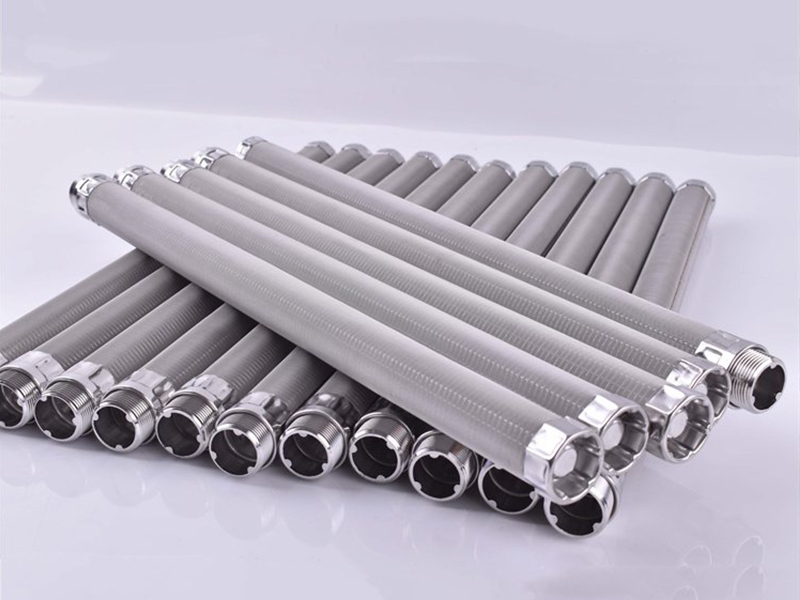
Fact: Service life depends on matching the filter to operating conditions. For precision hydraulic systems, specially treated imported paper media (acid-resistant, alkali-resistant and waterproof) outperform ordinary stainless steel meshes in capturing fine particles and sustaining consistent filtration accuracy. Blindly opting for metal screens may cause valve abrasion due to insufficient precision.
Misconception 2: Higher filtration precision equals better performance
Fact: Filtration rating must align with system cleanliness standards. Excessively high precision (below 5 μm) clogs filter elements prematurely, spiking differential pressure, slowing system response and triggering unintended bypass. Overly coarse ratings fail to protect precision components. For instance, the verified optimal balance for deck crane hydraulic circuits is a 10 μm filtration rating.
Misconception 3: Interchangeability is guaranteed as long as the part number matches
Fact: Matching part numbers only ensure compatible physical connection interfaces. Internal filter performance varies drastically, including media grade, pleating technology, pressure tolerance and temperature resistance. Non-standard or low-grade substitutes may suffer structural rupture under pressure shocks or temperature fluctuations, triggering catastrophic system failures.
Misconception 4: Filters only require replacement when visibly dirty
Fact: Severe internal clogging is often invisible from the exterior. The scientific benchmarks for filter replacement are readings from differential pressure indicators and service hour/time intervals specified in maintenance manuals. Replacement is mandatory even for visually clean filters when differential pressure nears the maximum allowable threshold (e.g., 1.6 MPa), otherwise hydraulic pumps and motors will sustain permanent damage.
Conclusion
Though compact in size, marine filters serve as the lifeline of vessel power systems. Amid tightening environmental regulations, accelerated fuel transition and the rollout of intelligent operational maintenance, selecting high-quality, application-matched genuine filters is not only essential protection for costly engines, but also a strategic measure to boost vessel operational efficiency and reduce full-lifecycle costs. Shipowners and management companies should abandon the outdated "lowest cost first" mindset, and build scientific procurement frameworks based on technical parameters, working condition compatibility and supplier service capacity, ensuring every vessel navigates oceans safely and efficiently.